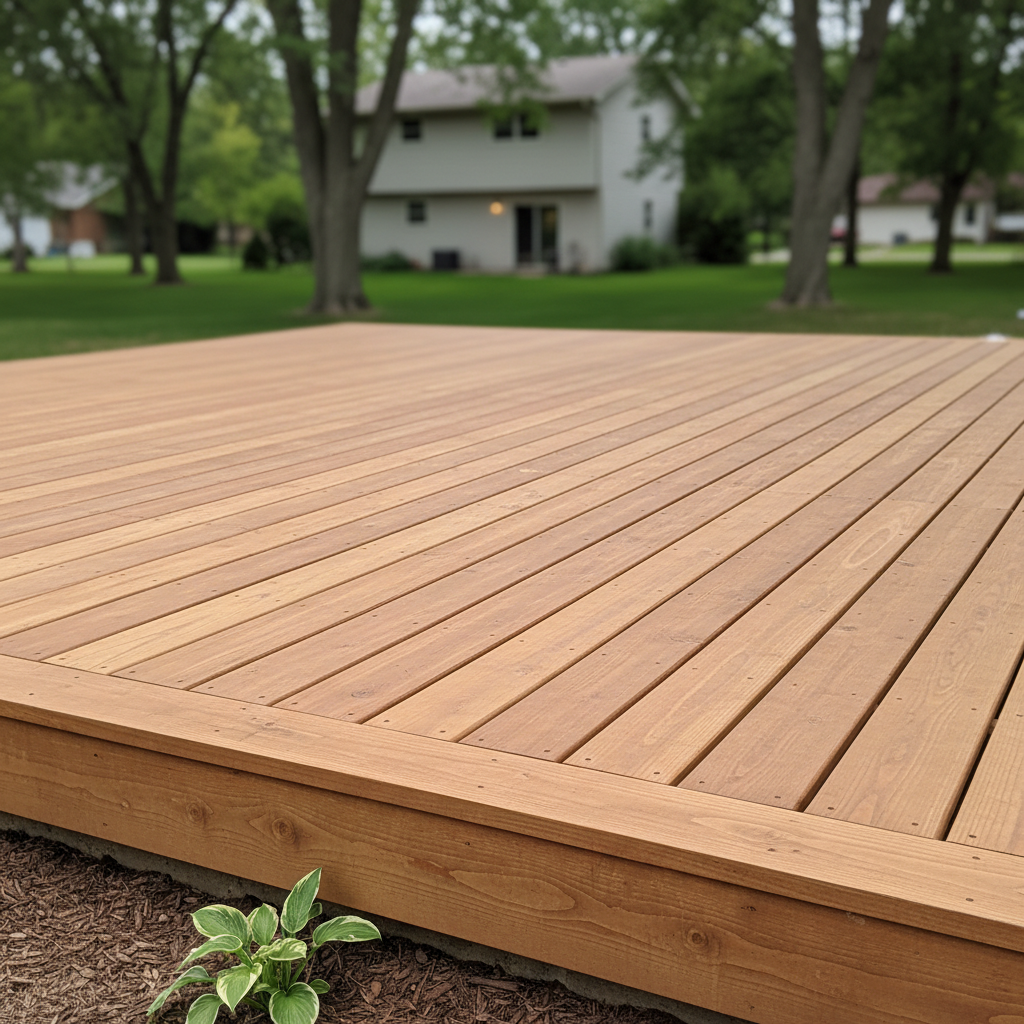
Planning Your Deck Project: The Crucial First Steps
So, you're dreaming of a new deck out back. That's awesome! Before you even think about buying lumber or renting tools, there are some big things you need to nail down. This isn't just about picking out a pretty design; it's about making sure your project is safe, legal, and actually gets built right.
First off, permits. You absolutely, positively need a permit for a new deck or a major deck renovation in Bloomington. Don't even think about skipping this step. The city's building department has specific codes, and they're there for your safety and to protect your property value. You'll need to submit plans, and they'll check things like setbacks from property lines, structural integrity, and railing heights. This is usually where I see homeowners get tripped up if they're trying to DIY the whole thing. Drawing up plans that meet code can be tricky, especially with things like frost footings – you know how our Minnesota winters can heave the ground if those aren't deep enough.
Next, design. What do you want your deck to do? Is it for grilling, entertaining, or maybe a quiet morning coffee spot? Think about size, shape, and how it flows with your house and yard. If you're good with sketching and visualizing, you can probably come up with a decent layout yourself. But if you're looking for something complex, multi-level, or integrated with other landscape features, a professional designer or a deck builder like us, Skyline Deck Builders, can really help you optimize the space. They'll make sure it's structurally sound and looks good too.
Material choice is another big one. Wood or composite? Each has its pros and cons regarding cost, maintenance, and longevity. We've seen plenty of older decks in neighborhoods like the Bush Lake area that are still solid because they were built with good, treated lumber and maintained. But composite has come a long way and offers low maintenance, which is a huge plus for many folks.
Breaking Ground: What You Can Tackle
Alright, you've got your permit, your plans, and your materials picked out. Now for the fun part – or at least, the hard work! What can a handy homeowner realistically do themselves?
- Demolition: If you're replacing an old deck, tearing down the existing structure is often something you can do. Just make sure you're careful, wear proper safety gear, and have a plan for waste disposal. Renting a dumpster is usually the easiest way to go.
- Site Prep: Clearing the area, marking out where your footings will go, and making sure the ground is relatively level can be a DIY job.
- Digging Footings: If you're strong and have the right tools (or can rent an auger), digging the holes for your concrete footings is doable. Remember, in Bloomington, those footings need to go below the frost line – usually 42-48 inches deep. That's a lot of digging, even for a small deck.
- Staining/Sealing: Once the deck is built and dried out, applying a stain or sealer is definitely something you can do. It's time-consuming but not technically difficult.
These are the tasks that require muscle and patience more than specialized skills or tools. It's a great way to save some money and feel like you've really contributed to the project.
When to Call in the Pros: Don't Skimp on Expertise
Now, let's talk about the stuff where calling a professional isn't just a convenience; it's often a necessity for safety, code compliance, and a long-lasting deck. This is where the structural integrity comes in, and frankly, it's not worth cutting corners.
- Framing and Structural Work: This is the big one. Cutting joists, attaching ledger boards to your house, ensuring proper spacing, and making sure everything is level and plumb – this requires precision and a deep understanding of building codes. A mistake here can lead to a wobbly, unsafe deck, or even damage to your home. Attaching the ledger board correctly to your house's rim joist, with proper flashing, is critical to prevent water intrusion and rot.
- Stair Building: Stairs have to be perfect. Rise and run need to be consistent, and they need to be firmly anchored. Uneven stairs are a tripping hazard, plain and simple.
- Railing Installation: Railings aren't just for looks; they're a critical safety feature. They need to be strong enough to withstand significant force, and their height and baluster spacing must meet code.
- Complex Designs: If your dream deck involves multiple levels, built-in benches, intricate patterns, or integrating with a unique landscape, a professional builder will have the experience to bring that vision to life safely and efficiently.
- Time Constraints: Let's be honest, building a deck takes time. If you've got a busy schedule, or you want to be enjoying your deck by a certain date, a pro team can get it done much faster and with fewer headaches.
Look, I've seen a lot of decks over the years, both good and bad. The ones that last, the ones that families enjoy safely for decades, are usually the ones where the structural work was handled by someone who knows what they're doing. There's a real satisfaction in building something with your own hands, and I encourage that where it makes sense. But for the core structure of your deck, investing in professional expertise is always a smart move. It ensures your deck is not just beautiful, but also safe and up to code, giving you peace of mind for years to come.
After the Build: Keeping Your Deck in Top Shape
Once your deck is built, whether you did some of it yourself or had a pro handle it all, the job isn't completely over. Regular maintenance is key to making sure it lasts. This means cleaning it annually to remove dirt, mildew, and grime. If it's a wood deck, you'll need to re-stain or re-seal it every few years to protect it from the elements. Composite decks are lower maintenance, but they still need a good wash to keep them looking their best.
Also, do a quick inspection once a year. Check for loose boards, wobbly railings, or any signs of rot, especially around the posts and joists. Catching small issues early can prevent them from turning into big, expensive problems down the road. A little proactive care goes a long way in extending the life of your outdoor living space.