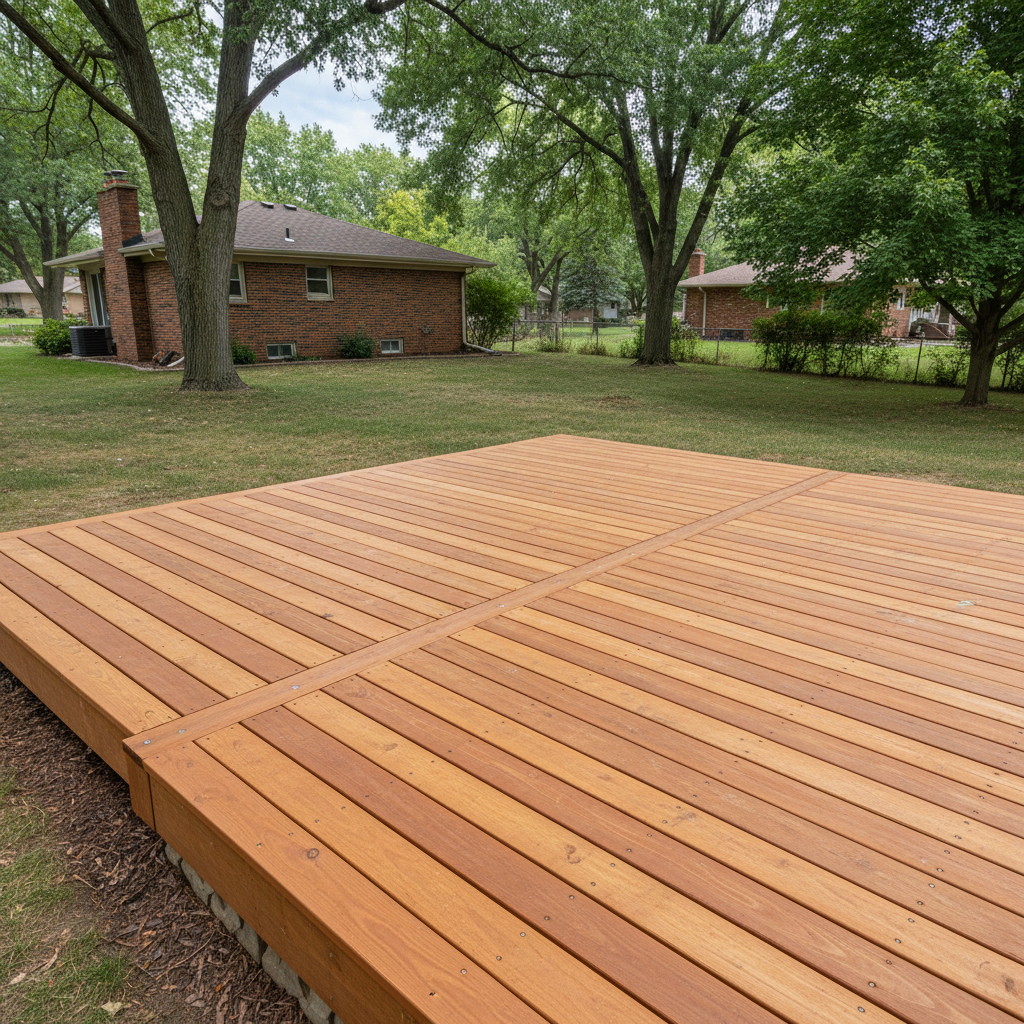
Your deck isn't just a bunch of boards nailed together; it's really an extension of your home. It's where you grill, kick back, and make memories. But here in Bloomington, our decks really take a beating, don't they? We get those brutal winters with heavy snow and ice, then the quick thaw, and then hot, humid summers. That kind of climate is tough on any outdoor structure, especially a deck. So, how do you keep yours looking good and, more importantly, safe for years to come?
Extend Your Deck's Lifespan: Smart Habits
It all starts with a little common sense and consistent effort. Think of it like changing the oil in your car; a little preventative care goes a long way. The biggest thing you can do to extend your deck's life? Keep it clean and protected.
- Clean it regularly: I'm talking about more than just sweeping here. You should really clean your deck at least once a year, preferably in the spring after all that winter crud has melted away. Grab a good deck cleaner, follow the instructions, and use a stiff brush. For tougher grime, a pressure washer can work wonders. Just be careful! Too much pressure, especially on wood, can damage the fibers. Keep the nozzle moving, and don't get too close.
- Re-seal or re-stain: This is huge, especially for wood decks. That protective layer isn't just for looks; it's your deck's first line of defense against moisture, UV rays, and rot. Depending on the product, you'll need to reapply every 1-3 years. Composite decks are lower maintenance, sure, but even they benefit from a good cleaning and sometimes a specific composite deck brightener to keep them looking fresh.
- Manage moisture: Water is the enemy. Make sure your gutters are clean and actually directing water away from the deck's foundation. Don't let snow pile up against the house or on the deck for too long. If you've got potted plants, put them on stands so moisture doesn't get trapped underneath, which can lead to rot or staining.
What Regular Maintenance Looks Like
Beyond the big annual clean, there are smaller things you should be doing throughout the year. These aren't huge jobs, but they really add up.
- Clear debris: Leaves, pine needles, dirt – these things trap moisture and can lead to mildew and rot. Sweep your deck regularly, especially after a storm.
- Check fasteners: Screws and nails can work themselves loose over time because of temperature changes and foot traffic. Walk around your deck and give everything a visual inspection. If you spot a popped nail or a screw backing out, fix it right away.
- Inspect for pests: Carpenter ants and termites just love damp, rotting wood. Keep an eye out for any signs of insect activity, especially around joists and posts that are close to the ground.
- Trim vegetation: Keep bushes and trees trimmed back so they're not constantly rubbing against or shading your deck. This helps with airflow and reduces moisture buildup.
Warning Signs: When Something's Not Right
You don't need to be a deck builder to spot problems. Your deck will tell you when it's hurting. Here are some red flags:
- Soft or spongy spots: If a board feels soft or squishy when you step on it, that's a major sign of rot. Don't ignore it.
- Cracks or splinters: Small cracks are normal, but large, deep cracks or excessive splintering can indicate the wood is drying out too much or deteriorating.
- Loose railings or wobbly posts: This is a huge safety concern. If your railing isn't solid, it's not doing its job, is it? Give your railings a good shake periodically.
- Discoloration or mildew: Black or green patches mean moisture is hanging around too long. While sometimes just cosmetic, it can be a precursor to rot.
- Rusting fasteners: If screws or nails are rusting, it means they're exposed to too much moisture, and the wood around them might be suffering too.
- Foundation issues: Look at the posts that support your deck. Are they straight? Is there any settling? Are they firmly anchored? This is especially important for decks built on slopes or in areas with clay soil, like we often see around the Old Cedar Avenue Bridge area, which can really shift with our freeze-thaw cycles.
When to Call a Professional
Look, I'm all for homeowners tackling DIY projects, but some things are best left to the pros. If you see any of the serious warning signs above, or if you're just not sure, it's time to call someone like us at Skyline Deck Builders.
- Significant rot: If you've got widespread rot, especially in structural components like joists, beams, or posts, that's a job for an experienced builder. Replacing these correctly is critical for safety.
- Structural damage: Any signs of sagging, major cracks in beams, or issues with the ledger board (that's where the deck attaches to your house) mean you need an expert immediately. This isn't just about looks; it's about the safety of everyone who steps on your deck.
- Permit issues: If your deck was built without permits, or if you're making major changes, you'll likely need to involve professionals who understand Bloomington's building codes.
- You're uncomfortable or unsure: If a repair feels beyond your skill level or you're worried about doing it wrong, don't risk it. A professional can assess the situation, give you an honest opinion, and make sure the job gets done right and safely.
Your deck is an investment. A little regular attention and knowing when to call in the cavalry will keep it a safe, beautiful spot for your family to enjoy for many years to come.